
2026 SPEAKERS—Notes on the evening
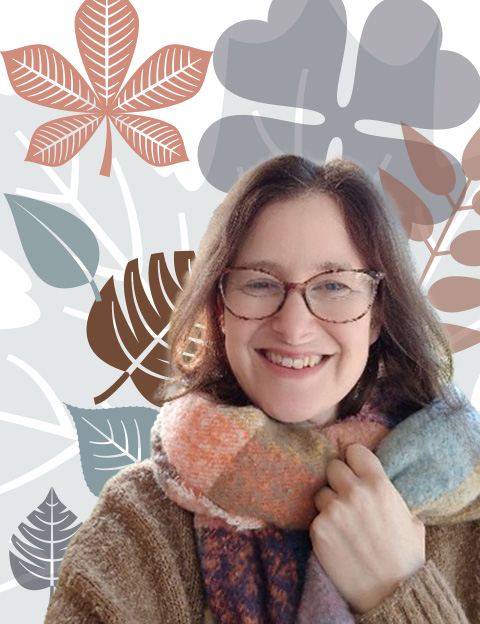
Lauren Mitchell. BWC 25thMarch 2026.
It started with a simple question, and just a muffled response, from just a few of the BWC gathering on 25th March: “Who is familiar with Substack” (Or words to that effect) asked Lauren Mitchell, local author and Substack afficionado. Perhaps we hadn’t heard of it? Not tried it. Did not know its capacities? By the end of the night Lauren had instilled us with knowledge of all Substack had to offer.
Substack is part blogging platform, part social media, part email and part income generator. It is a US platform which commenced in 2017 and now has some 35 million subscribers, 5 million paying subscribers and 17,000 people making money from it. Writer-historian, Heather Cox Richardson with Letters from an American is the biggest earning Substack regular, making $5 (US?) million a year.
Other well-known writers also have a presence: Pip Lincoln; Bri Lee; John Birmingham, Amie McNee, Salmon Rushdie, Roxanne Gay, Clementine Ford and Margaret Attwood to name a few. (Plus, lots of Aussies!) They epitomise the imperative Lauren quoted, by William Kenower: “After your story is told you must share your work.”
The New Yorker shares one free article a week, current or historical. It could be a deep dive of 10,000 words or a shorter, newsier article.
Substack is different to ordinary social media in that it offers:
· Control over what you see
· Has a financial model – the possibility of earning
· Control over what you deliver
· Rewards quality
· Audience ownership
We were tasked with writing a pithy, Substack-suitable title for ourselves: a one-liner aimed at our audience, to expand on the title, attract interest and set the tone or voice of our writing. We were encouraged to draw on our passions. What do you want to write about? Who do you want to engage with? What are the big (or small) ideas you want to explore? Why this topic? And who are your readers?
· Avi created: ‘Clothes are for everyone. Gender be damned.’
· Linda created: ‘I can’t believe it – this is what happened today.’
· Marque created:’ A tailender’s tale.’ (tailender being a cricket term)
· Carole created: ‘Not dead yet. Memories of working in aged care.’
Lauren has a presence on Word Press as well as Substack and mentioned the possibilities of Canva and Blurb* for self-publishing and printing – the tactile pleasure of holding a text in your own hands. She also mentioned the design software ‘Bookright’: free software to create a print-ready file to upload to Blurb.
* www.canva.com and au.blurb.com
Handling Lauren’s books, Go Bendy Go and Dragon Dance, feeling the paper pages and hard backings, hearing the pages flip, seeing the design, colours and even the smell of the whole text helped us to both appreciate and compare the differences between on-line and traditional publishing. Mass production, distribution and publicity for a traditional book can yield little profit, but on-line publication has its own limitations – finding a new audience, pressure to subscribe for readers, lack of censorship and the limits of design choice. Thanks to Lauren, we are armed with knowing the pitfalls and pleasures of both.
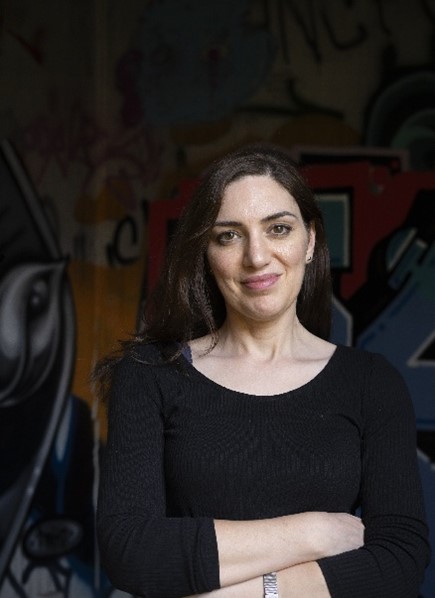
Amanda Anastasi, BWC, February 25th, 2026
Amanda Anastasi’s presentation: Writing Through Grief and Transformation was an unbounded success. Not only did she provide a writerly framework for approaching the task; her earnest and heartfelt explication of her own major grief provided the safe setting and inspiration for attendees to both feel andwrite. Tears were shed as well as words written.
Amanda’s grief was borne of the sudden loss of her father in a motor accident. There was no goodbye and she needed to communicate how she was feeling. Her father was a mystery to her, and he died leaving many things unsaid. Writing about grief is writing about love. “Grief is love.” Amanda said.
Attendees were introduced to the ‘monosich’ a one-line poetic device displayed in Taking Apart the Bird Trap, the book of poetry Amanda dedicated to her father, Paul. The line is open to interpretation by the reader, as in:
The calendar is still set for last July.
Try looking up at the sky which isn’t there
I am not shivering with cold.
With each loss a new eye opens.
Amanda encouraged the room to write with the inspiration of “Ways I said I love you without saying ‘I love you’.” She suggested capturing the minutiae of day-to-day life spent with the person, explaining that “the more detailed and specific you are, the more real it will feel for both you and the reader.”
She suggested we writers “Start to detail a memory or snapshot/interaction in relation to the person you lost that reflects their character, the mood of the moment, and a sense of place. It can be centred around:
1 a revealing conversation that changed you or the other person
2 something that person used to say and what was behind it
3 a pivotal moment with that person that influenced your life in some way or helped you see something different
Thanks to Amanda, we were all gifted with a way to begin our journey of writing through grief and transformation. This was true inspiration and only added to by Amanda’s parting reminder: to write but then re-visit our writing – the editing process crucial to a polished poem. Amanda’s work can be found at:
https://www.amandaanastasipoetry.com/
Spotlight on the night
The minutiae of day-to-day life spent with a person in one line, written by Christine
I worry about your happiness
your own self-belief
I worry about your children
What you pass
I see your boyhood
The minutiae of day-to-day life spent with a person in one line, written by Marque’
Holding you while you swam in the deep water
Scaring away the birds who once tried to peck at your meal
Teaching you to shake hands
Soaking up your enthusiasm the day I returned from a lengthy vacation
The minutiae of day-to-day life spent with a person in one line, written by Beverley
Saying I love you
Without
Saying I love you.
Jenni
Loving you.
Creating yummy snacks.
Trips to the bakery.
Trips to the river
For a picnic
In the car.
Watching your favourite movies.
Finishing your quilts
When you no longer could.
Sitting quietly.
Holding your hand.
Poem 1 – My Son has gone
My son has grown up,
No longer a baby in arms,
All through school, the drop offs and pick ups,
Homework, illness and just to be there,
Those playdates that turned into real dates,
The 2am pick ups, because there were no taxis,
Now you have moved out
Have a family of your own,
I won’t see you every day, just sometimes,
I am happy you are the man you are,
But I miss you
Poem 2 – Not My Monkey Not My circus
Not my monkey not my circus,
Something you said when change cannot be,
A toast and a tilt of the glass of sparkling,
A look in your eye and I knew,
That was not all to be said,
Another sip, a Devilish laugh,
A cheeky glint in the eyes,
Not my monkey not my circus,
This may have been true,
But you always had your say,
Another sip, another laugh, another smile,
Oh to hear them all again,
If only once more.
Saying Goodbye.
This is just a snippet of attendee Paul’s response to Amanda’s advice
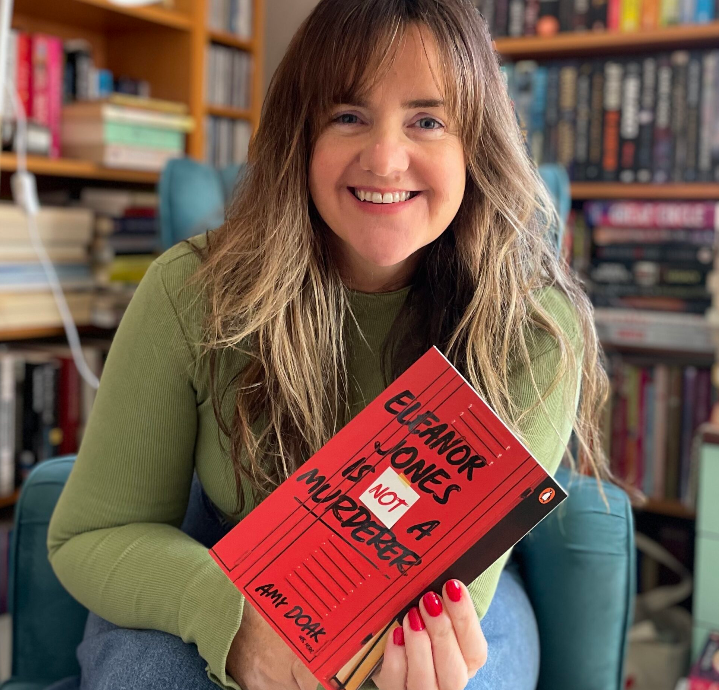
Amy Doak, BWC 28th January 2026 “Making Time to Write”
It is hard to imagine an author more qualified than Amy Doak to provide advice on ‘making time to write’. She has had four books published since 2023, two of them published in 2025 – a year in which she also attended around 50 writing-related events! The packed house at BWC’s first meeting of the year was keen to learn how to find time for writing, but Amy clearly spelled out the other, inextricable elements of the task.
“Time is one aspect” she explained, but not the main one. Amy had 2 children in primary school, covid to contend with, her contract writing (Amy was also a freelance writer) and a husband who was out of the house from 6am to 6pm, yet it was impossible to identify the paragraphs she wrote in the snatched minutes between household tasks, at the kitchen table, and those written at the desk in peace.
Certainly, Time is one of the elements of writer’s block. It is important to not beat yourself up about the realities of having 3 jobs, 6 children and an ageing mother to care for.
Another element is Energy. Health issues can have an impact. Perhaps every time you sit down you fall asleep. Ask yourself, ‘what kind of tired are you’.
Mindset is the most common issue. We overthink; we worry; we stress. Amy explained further:
Self-knowledge is vital to the writing journey:
- What motivates you?
- What don’t you like? (Your ‘blah’ responses)
- What are you afraid of: failure; rejection; judgement; criticism; being seen; success?
- At what stage do you quit every time?
- What are your strengths? What do you find easy? What is your process? What inspires you?
- Who are you writing for? i.e. who is your imagined reader?
- What are your expectations? It is ok to not write every day.
- Check in on your expectations. Don’t think too far into the future.
- How confident are you about the craft of writing? If you get stuck read up on theory and information on structure.
(See: author Brandon Sanderson on You Tube discussing plot, characters, word building).
Some practical ways of using writing time are:
- Reading it out aloud. Going back over your work and reading it – like you’re reading the story to someone else or narrating an audiobook.
- Finding a critique group or having a trusted friend to talk through ideas.
- Writing sprints. Set a time and write for 25 minutes with a 10-minute break.
- Body doubling – write at the same time as someone else, either in the same room geographically or via zoom.
- Amy also explained that input was as vital as output to the creative process: finding and enjoying art. Touching grass and getting outside away from screens. Making and creating in a tactile sense – from crochet to cookies.
Rest was also vital to the writing process:
- Physical. Time for your body to recharge
- Mental – give your mind a break (meditation, low-brain activities
- Sensory – spend some time away from screens. Get outside, have quiet time
- Creative – change your environment. Do low pressure activities
- Social – take time for yourself. Organise intentional catch-ups that feel safe
- Emotional – journalling, therapy, setting boundaries, self-compassion
- Spiritual – take time for gratitude, meditation, volunteer or form a community group
“Be kind to yourself”, said Amy. “Writing is a marathon, not a sprint. Love what you do”.
Julia Cameron’s book The Artist’s Way was a suggested read.
What may not have been apparent as we first perceived the topic, ‘making time for writing’ became clear: making time and caring for ourselves is the way to make space for writing in our lives.
2025 SPEAKERS—Notes on the evening

Dr Ian Irvine
Ian Irvine’s workshop for the last BWC presentation of the year: Turning Poems into Songs was a gripping, challenging and enlightening lesson for us all, whether skilled in a music genre or instrument (including voice), a lover or practitioner of the written and spoken word – or of course – both! (And to some degree, we all fit into these categories in some manifestation or another.) In fact, Ian’s workshop demonstrated the inextricable relationship between music and the spoken and written word.
Ian explained that his talk was “a poet’s perspective on the primacy of words to both poems and songs”. To him “‘lyrical phrases’ conceal many musical mysteries”. For example, Ian asked us to consider the emotional aspects and resulting meanings of a language’s basic vowel sounds. Even hearing them in one’s head conjures a meaning or effect.
Further, the structure of a traditional poem has many elements able to be readily converted into song. Ian elaborated fully:
- The natural speed of a poem’s lines transfers to ideal song TEMPO;
- The natural rhythms of words, phrases and lines, as well as syllable count repetitions of lines, suggest ideal ‘time’ signatures/rhythms’ for a song;
- Poetic stanza forms (couplets, tercets, quatrains, etc.) can, with some work, be adapted to fit popular song structure elements. (e.g. Verses, Pre-choruses, Choruses and Bridges/Middle 8s);
- Vowel repetitions and sequential flows in poetic lines and stanzas – which are closely linked to Breath Patterns – suggest both musical rhythms, and, once stripped of ‘consonant distractions’ – may also suggest line melodies for song lyrics. Once you have line and stanza melodies for song lyrics. Once you have line and stanza melodies for a song, you also have the KEY (OR SCALE) and CHORD PROGRESSIONS behind the lyric structures of the song. (By Dr Ian Irvine, copyright 2025, all rights reserved.)
Some attendees kindly shared their contributions to the set task of the evening, which was to write a 20-word poem or prose piece. Impressively, along with the theme of turning words into song, a couple of people shared by singing their contribution. Applause ensued!!!!
Ian very generously prepared written handouts of these, and many more, aspects of converting poetry into song. He has taught at both La Trobe University and Bendigo TAFE.
Bendigo TAFE will be continuing to offer Professional Writing and Editing in 2026. There are 6 core units in editing, communication studies, fiction and non-fiction, poetry and mythology and 12 units altogether for full-time studies The course commences at Cert 1V progressing to a Diploma level course. Enrolments can be made on-line and subjects should be finalised before Christmas.
Ian also brought along some books which may help on our journey to converting poetry into song:
Mastering Melody Writing – Clay Mills & Bill O’Hanlon
You can Write Song Lyrics – Terry Cox
How to Have Your Hit Song
Published – Jay Warner
Popular Singing and Style – Donna Soto-Morettini
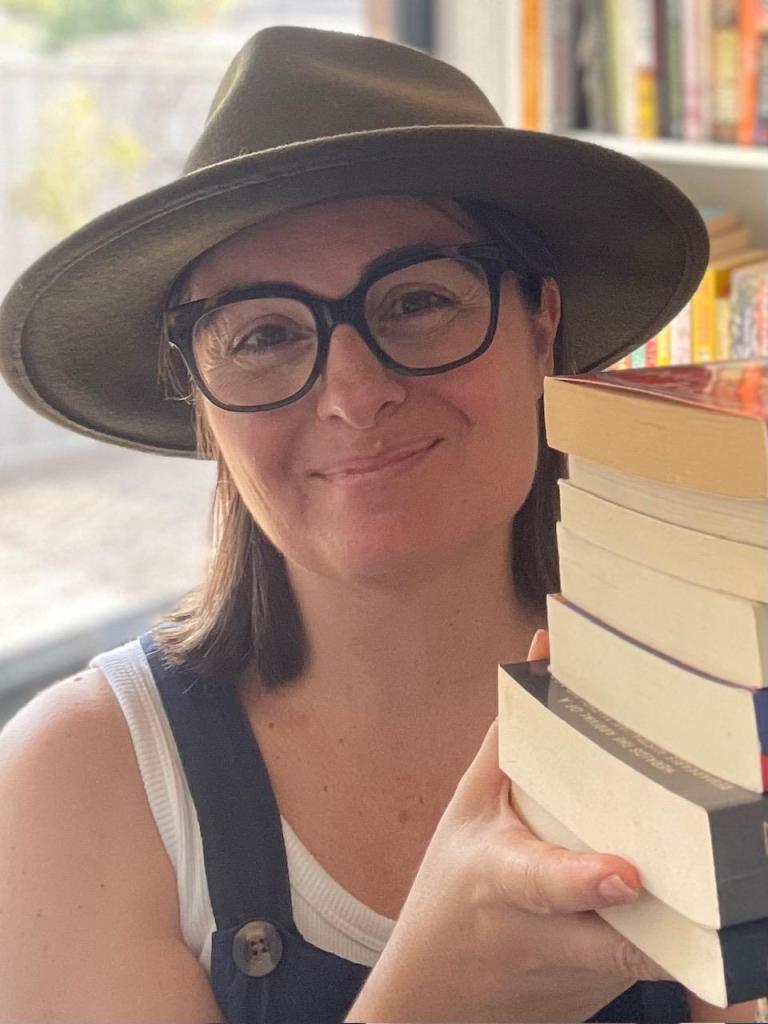
Cecile Shanahan’s exposition of the do’s and don’ts of editing was enjoyed by a full house at the October meeting of the Bendigo Writers Council. Her generous but succinct summaries of the editing process were valuable for editors and writers alike. Indeed, Cecile demonstrated, that for writers, any piece of writing benefits from the editorial eye, even if this is to save the time-rated dollar-costs of a publisher’s editing charges!
She began with the basic types of editing:
Structural editing
This step in the editorial process is substantive and developmental. It refines and, where needed, improves a manuscript’s content, structure, language, style and presentation. Events should be set out in the most logical way required to focus a reader’s attention. (Cecile’s hint: write like a reader). Ask yourself if events are set out in the most effective, logical way.
Copy Editing (line editing)
Here the focus is not on story structure, but on word choices and placement. It scrutinises grammar, spelling and punctuation line by line. Correction and suggestions are made to improve the text.
Proofreading
Proofreading is a quality control measure focusing on integrity, spelling and punctuation errors and conformity with the project’s specifications.
- No matter how well you think you know your story, read it again from start to finish – out loud if you can.
- Write a scene list of every single scene in the manuscript and what happens. This allows you to check if you have your actions equally distributed and quickly helps you identify any major gaps. You want to check that your story is always moving forwards.
- Go back and focus on your characters. Does the main character drive the story? Be clear in your head about each character’s goals and motivations.
Cecile elaborated generously on all the editorial tips summarized here, and more. She emphasized the credo of “show, don’t tell,” and suggested putting the manuscript to bed – i.e. – sleeping on it before submitting it to the publisher. She also left attendees with a valuable ‘who would have thought’: the Macquarie Dictionary is accessible online merely by entry of a library membership number! Thank you, Cecile.

Amanda Scotney introduced the group to a form of short writing. Some of the headings that short-form writing can come under:
- Microfiction
- Flash fiction
- Nanofiction
This type of fiction can be fun to do as your mind grapples with how to form so many words into a meaningful, readable, yet enjoyable story.
These are some tips that you can take on board.
- Start a story in the middle of a scene
- Make a story end with suspense.
- Start with a conflict.
- Playful scenes
Don’t forget your senses. This can draw in your reader and make them feel they are in the scene.
- Sight
- Smell
- Touch
Learn how to make your words impactful in a short story.
- Concise—Use words that get directly to the point without fluff.
- Contrast—sun/rain, hot/cold
- Parallel imagery—this can be a connection of seeing something that may trigger a memory.
- Vulnerability—this can show a character with flaws.
Micro Poetry
- This is a brief style of poetry that often uses vivid imagery in very few words (less than 25 words or 140 characters).
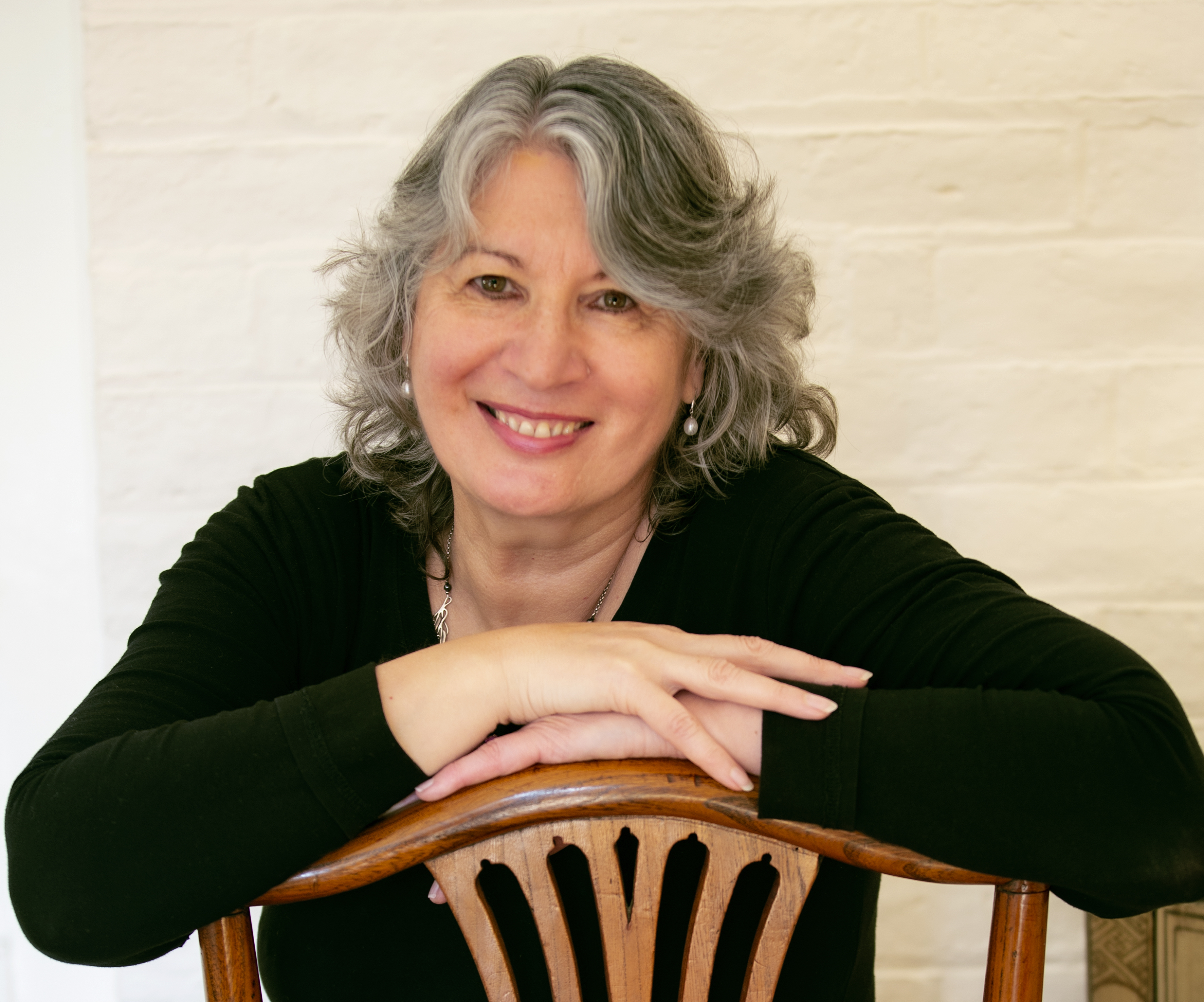
Jane Cafarella
Playwright, former journalist, columnist, and cartoonist Jane Cafarella has widely published her work in Australia and overseas.
THE STORY-Memoir
The story of two sisters who were lost and then found, CLEAVED is the page-turning, funny, and tragic memoir of Australian playwright and journalist JANE CAFARELLA. Raised under the same roof, each allied to a different parent, Jane and her older sister, Julie, are foot soldiers in their parents’ marital war. Jane is Mum’s. Julie is Dad’s. The situation is normal, even if Jane’s not.‘Just tell them you were born that way,’ her mother says when she’s taunted at school for having one fat and one skinny leg. There’s no name for it and no cure, so it’s ignored, subsumed by bigger family problems. The emotional cleaving becomes physical when their parents finally separate when Jane is 17 and Julie is 18. Six months later, an explosive discovery blows Jane and her mother away from the whole extended family forever. CLEAVED is both a mystery and a search for truth: a sister story, a women’s story, an immigration story, and a story of resilience, forgiveness, and compassion, told by a master storyteller.https://janecafarella.com.au/
To help with your memoir, Jane suggests just beginning to write. Start with “I remember…” If you lose track, start again with the sentence “I remember…”
- Begin with a blank page and a clear mind
- Try to avoid any preconceived notions of where your memory will take you
- Allow your mind to explore all of the years of your life in no particular order
- Try to inhabit your memories with specificity.
Writing a scene with conflict
Choose one of the memories from the previous exercise that includes conflict
Imagine it as a scene from a movie
The scene doesn’t have to be sad or seriously dramatic. It can also be funny, nor does it have to be long.
A scene must have a:
- Goal
- conflict
- Disaster
It must also tell the reader where it is taking place.
- What does your POV character (you) want from the other person in the scene?
- How does that person react?
- Does she offer the person what they want?
- How did you as the POV character feel?
- What are the consequences?
JULY 2025
Di Dempsey
Di Dempsey is accustomed to a full house. The Launch of her biography “Saving Dragons: The Life and Times of Russell Goldfield Jack” attracted some 500 keen attendees at Bendigo’s Capital Theatre in April this year. Her talk on the topic of biography, autobiography and memoir to attendees of Bendigo Writers Council workshop & session was also a full house: regular and new attendees keen to understand the principles of writing a life story!
Di explained there are three genres of writing a life story:
- Memoir – defined as writing about the self, i.e. “I spill my guts.”
- Autobiography – also writing about ‘self’ but different in that it is a narrative of the individual, such as in:
- My Brilliant Career (Miles Franklin)
- Portrait of the Artist as a Young Man (James Joyce)
- David Copperfield (Charles Dickens)
- Biography – the narrative of the life of another person. The writer could be in the story but is not the focus. (Creative non-fiction could play a part her, departing from the traditional structure with lots of information.
Di emphasised the two basic questions to ask for a life story: WHO and WHY.She took 4 years to write Saving Dragons; interviews leading to more interviews which were vital to her research. She stressed that interviews must be friendly, gentle and take time. They are a pleasurable element of writing a biography. Always say “thank you” Di said.
- Our post-supper break exercise set by Di was to consider a person for biography:
- Newcomer Martin was focused on Oliver Gilpin, found of Gilpin Drapery stores. (Think: pre-Myer)
- Published author Karen was already well into a biography of Edna Paynter/Edel Wignel, the Echuca based author of 100 children’s readers who passed in 2023.
- Bec was considering a biography of her great-uncle, Michael James Kent Shriever, a practicing architect at the age of 86.
- Writer Marque had already written 80 pages for a biography of Bendigo footballer Ron Best and was happy to share some of his work.
- New Edition to the Muse News— A story chosen on the night
- Dianne Dempsey posed the question. If you were to write a biography, who would it be and why?
- (Please be assured that there was so many great stories on the night, but only one can be picked.)
- Who—Ron Best
- Why—nobody has written about his football career
I am writing a biography about Ron Best, who was a Bendigo-based family man, businessman, and celebrated footballer in the local league. The main focus of the biography is Best’s football career in the Bendigo Football League, plus two other country leagues in which he played. The biography details his major achievements, season-relevant supplementary information in his life, and a statistical section. I feel the biography is worthwhile because nobody has written a book about a regional footballer.
Marque Dobrow
JUNE 2025

Dave Munro and Amanda Collins
Taking part in Dave Munro’s and Amanda Collins’ enthusiastic exposition of poetry at the recent Bendigo Writer’s Council meeting was like a warm retreat from any previous (mis) conceptions of the poetic process. In fact, it was a joy in every way! Side by side, Amanda and Dave spoke in alternating synchronicity, never losing our attention and allaying all inhibitions of putting pen to paper for poetry. “Write a list of adjectives,” they said, followed by “write a list of nouns.” We dutifully did both. Next came the challenge of writing a response to one of 5 objects: a kazoo, a small silver goblet, a wooden spoon, a double-handled ceramic bowl and a glass trinket. Inhibitions spared, and all pens moving, we wrote an ekphrastic style response to our chosen object. Our responses ranged from kazoo rhyme to limerick. Dave went on to acknowledge the editing process as a valuable meaning-making experience also. New eyes can make new meanings by questions asked. Overall, the take home message from Dave and Amanda was: don’t be afraid of writing poetry – just do it!
Guidelines to make our poem.
- Make a line of adjectives and nothing else
- Write a sentence split in the most interesting place
- Write another sentence with a word from the previous line
- Start with that chosen word first in the next sentence
- Make yourself a collection of nouns
- Pick one word you already used alone in a phrase
- Make rhymes with that word
- Finish with the most interesting word and reuse it
A straightforward example of the night, and of course, more adjectives and nouns could be used.
I took my Kazoo,
Kazoo that I blew,
Kazoo that I blew and blew!
My Kazoo,
What other sounds could I do?
With my Kazoo.
Not only is a poem good for writing poems, but it also serves as an incredibly versatile foundation for crafting songs. The focus of poetry on rhythm, naturally translates into powerful lyrical structures.
Heathcote News
Calling Poets and Short Form Writers Poetry submission: Friday 11th July 2025
Poetry Evening: 21st August 2025, 5 pm-8 pm.
RSVP before the 1st of August 2025 to: creativeupclose@gmail.com
Venue: The Heathcote Wine Hub, 146 High Street, Heathcote,
$10 entry (includes a glass of local wine)
Exhibition opening Venue: 16th October, 2025, 5 pm-8 pm
The Heathcote Wine Hub, 146 High Street, Heathcote
$10 entry (includes a glass of local wine)
This project aims to connect creatives within a warm, cooperative environment to share practices, open dialogue, and inspire new works to strengthen ongoing creative relationships and introduce you to an exciting new space for collaboration with local creatives.
POETRY SUBMISSION
The number of poetry submissions is limited to a maximum of 10 single-page works.
Each poem must fit on one A4 page with a legible font.
There is no restriction on previously published works. Permission must be gained from the copyright holder, if not the poet.
Duration of the exhibition: 2-3 months
Entry fees: 3 poems $10, 6 poems $15, 10 poems $20 (Payment details will be sent in a reply to your submission email or you can pay in person at the Heathcote Wine Hub between 10 am-12 pm on the 11th July 2025 or call deb on 0430134154 to arrange another time).
Please note: Submission and entry fees are to cover venue, administration, publicity, hanging labour costs etc.
CONTACT: creativeheathcote@gmail.com FOLLOW US:@creativeheathcote
Some websites you might like to explore for additional help:
Cordite: http://cordite.org.au/ Cordite is open access and is packed with awesomeness. Cordite also publish poetry
Red Room Poetry: https://redroompoetry.com/, also newsletter, courses competitions
Clare Gaskin: https://clairegaskinpoetry.com/ is the current tutor at the excellent CAE poetry writing course in Melbourne.
3CR spoken word show: https://www.3cr.org.au/spoken-word weekly spoken word show via a podcast
A fantastic evening with our presenters, and we would like to thank them…..
MAY 2025
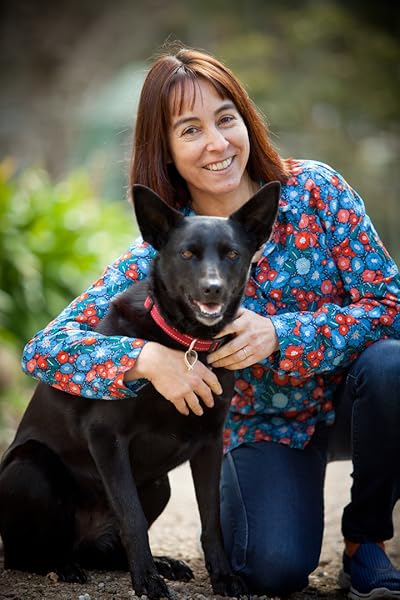
Pam Harvey
We were all blown away by Pam Harvey’s advice and the prompts that she provided us. This helped attendees structure their story in the May workshop, offering a clear path to crafting compelling narratives.
1. Core Elements: Title, Audience, Point & Protagonist
- Title: Brainstorm several titles. How well does each title capture the essence of your story? Does it create intrigue?
- Target Audience: Who are you writing for? Knowing your audience dictates tone, language, and themes. (e.g., young adults, Thriller Enthusiasts, Literary Fiction Readers)
- Story’s Point: What’s the central message or theme you want to convey? (e.g., redemption, the power of friendship, overcoming adversity, and the importance of self-acceptance).
- Protagonists: Who are the main characters? What are their core motivations, desires, and flaws? What makes them relatable or interesting?
2. Character Arcs and Conflict (Arch and Agonist)
- Protagonist’s Arc: How does your protagonist change from the beginning to the end of the story? What lessons do they learn? What beliefs are challenged?
- Agonist/Antagonist: Who or what creates conflict for the protagonist? Is it a person, a circumstance, or an internal struggle? What are their motivations?
3. Chronological Story Outline (Events and Moments)
Could you create a timeline or list of key events and moments in your story?
Chronological order helps to identify plot holes and guarantee a smooth flow.
- Beginning: Inciting Incident, Initial Stakes
- Middle: Rising Action, Conflicts, Turning Points
- End: Climax, Resolution, Denouement (the final part of a play, film, or narrative)
4. Compelling Opening Scene
- Brainstorm several potential opening scenes. Which one is the most impactful?
- Focus on grabbing the reader’s attention immediately. Introduce a mystery, a conflict, or a compelling character.
- Establish the setting and tone early.
5. Emotional Depth
- Identify the key emotional points in your story. How can you SHOW the protagonist’s emotions through their actions, dialogue, and inner thoughts?
- Avoid simply stating “He was sad.” Instead, describe his slumped posture, his tear-filled eyes, and his quiet voice.
6. Emotional Reactions and Consequences (Tiered Construction)
For key emotional scenes, use the “Tier-Down Construction” method:
- Emotional Reaction: What does the character feel in response to the event? (Fear, anger, joy, grief, etc.)
- Impact for the Reader: How can you make the reader feel something similar? (Use vivid imagery, sensory details, and relatable situations.)
- Because of that…: What is the immediate consequence of the emotional reaction? How does it affect the character’s decisions or actions?
7. Emotional Drivers for Character Actions
- Consider why your protagonists act in certain ways when they experience strong emotions.
- Is it driven by fear, love, anger, or a desire for revenge? Understanding these motivations adds depth and believability.
8. Exploring Well-Known Themes
- Consider incorporating universal themes like
- Lost and Found: The journey of finding something (or someone) that was missing.
- Live Before You Die: Embracing life to the fullest.
- Love Conquers All: The power of love to overcome obstacles.
- There’s No Place Like Home: The importance of belonging and connection.
- Put your unique spin on these themes.
9. Adaptation and Flexibility
- Remember that an outline is a guide, not a rigid structure. Be open to adapting your story as you write.
- Allow for unexpected twists and turns.
10. Refine and Revise Based on Core Elements
- After completing a draft, revisit your core elements (title, audience, point, protagonists).
- Does the finished story still align with your initial vision? Make revisions as needed.
APRIL 2025

DENISE MAINE AND IAN CHISHOLM
TANDEM WRITING
This is a collaborative approach where two voices merge to craft a single story. This method is often fraught with challenges. Yet, it can lead to innovative results. Writing partners Denise and Ian shared this in a recent discussion on the art of co-authorship.
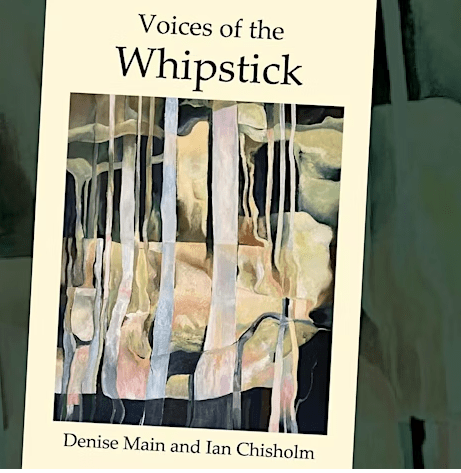
A book written with two voices
Disagreements can happen in tandem with writing, with peaks of excitement often giving way to conflict. Sometimes, agreement comes with a lot of discussion, maybe even arguing.
Writers must create detailed profiles for their characters, including elements like age, physical features, ailments, and personality traits. “It is important to get to know your character,” Ian advises. Furthermore, selecting the narrative’s framework is crucial.
Decide on its period, whether set in the past, present, or future. These decisions help guide the story’s flow.
Research is undeniably the cornerstone of crafting believable and engaging narratives. This process goes beyond simple fact-checking. It’s about immersing oneself in the story’s world. Whether that involves physically travelling to the setting or exploring its digital representation online, immersion is key.
“You think you, as a team, have a wonderful story,” says Denise. Then the editor blows away your pipe dreams.
Denise suggests seeking candid feedback from individuals you can rely on, like friends who are passionate readers. It’s beneficial to have friends who will provide truthful feedback. This feedback can make your story read better. One of the most compelling benefits of tandem writing is its ability to combat writer’s block. Having a partner provides fresh ideas and accountability, turning solo struggles into shared triumphs.
Denise and Ian’s experience shows that, with patience and communication, two minds can create a story. For writers seeking to break from writing alone, tandem writing might just be the next chapter in literary innovation.
MARCH 2025

JESS ANASTASI
ADAPTING NOVELS TO SCREENPLAYS
Jess Anatasi penned her first book at the young age of nineteen. The journey to publication, however, proved challenging. It took seven years to finally see her work in print. An agent in Los Angeles represents her. This provides her books exposure to a broad, English-speaking audience. These readers are in America, England, and Australia.
Your book’s a hit! And it’s time to put your written words into a screenplay. Your first step is putting your words into a screenwriting structure. Two invaluable resources that will guide you are Blake Snyder’s “Save the Cat!” and Syd Field’s “Screenplay.” These books can break down the elements for a screenplay. They also can cover how to identify key plot points and character arcs. They also explain the three-act structure. Understanding these principles will allow you to begin shaping your novel into a script that is more impactful.
ADAPTING YOUR SCREENPLAY
To translate the richly imagined world of your book into a compelling two-hour movie, think visually and lean into dialogue. When you dissect your novel into scenes, pay close attention to setting. Character interactions, tone, and mannerisms are crucial. These elements serve as the fundamental components of a cinematic experience. Just as you must captivate a reader in the initial pages, your screenplay must immediately captivate the audience. Make sure your key character traits are right from the opening scene. Is your protagonist able to connect with the audience early on, drawing them into their journey?
WEBSITES FOR FEEDBACK AND IDEAS
http://blcklst.com https://www.stage32.com/welcome https://imsdb.com/ https://www.simplyscripts.com/
FEBRUARY 2025

ANNE GRACIE
ROMANCE WRITER
Melbourne author Anne Gracie started her first novel writing by hand in notebooks while backpacking solo around the world. For the last 20 years she has supported herself entirely through her writing. More than 18 languages have translated Anne’s books, published by Berkley USA (Penguin Random House).
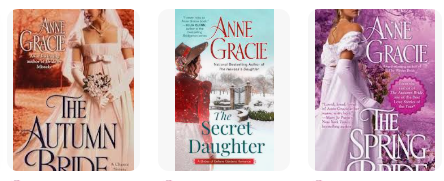
Anne Gracie books
FEATURES OF GOOD ROMANCE
- A good story
- A character-driven plot
- Engage the reader on an emotional level
- Design Characters the readers have feelings for
- Characters you can understand. Make your readers become attached to that character on an emotional level.
- Make your character fun. They may have quirky flaws.
- Describe intimate settings draw the reader in
- Make your world inviting, making the reader find it hard to put the book down.
THE IMPORTANCE OF CONFLICT
- Conflict is the soul of the story
- External conflict forces them apart
Any worthwhile goal is rarely achieved in a straight line. There are challenges, especially those that arise from competing and conflicting. Each obstacle is unique. It can demand a different approach. It reveals new facets of the characters’ personalities as they struggle to overcome them. There is a constant tension. This friction between the impossibilities keeps the reader riveted. They hope for a happy ending. Nine times out of ten they get their happy ending.
EFFECTIVE CONFLICT IS NOT
- Trivial misunderstanding
- Snapping and snarling between the hero and the heroine
- Flouncing about and behaving like a stagey melodrama
- A series of escalating quarrels
JANUARY 2025

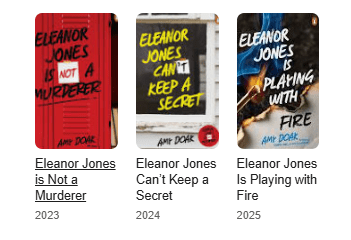
AMY DOAK
Amy Doak is an Australian award-winning and published author, known for her captivating storytelling and insightful narratives.
MYSTERY WRITING
It’s about the journey of investigation, the sifting through clues, and the slow unravelling of the truth. “Who did it?” is a mental workout, pushing you to think, connect seemingly disparate pieces of information, and ultimately arrive at a conclusion. A skilled detective works through the core elements of a mystery: first unravelling the “how” of the crime, “what” exactly occurred, understanding “why” the perpetrator committed the act, determining “where” the events took place, and finally, identifying “who” the culprit is. This structured approach allows for a methodical and thorough investigation, maximising the chances of cracking the case.
Things to think about when writing a mystery
- Crafting a compelling mystery requires careful consideration of several key elements. Remember, the culprit needs to be a character introduced early on, subtly woven into the narrative fabric
- All supernatural or preternatural agencies ruled out as a matter of course.
- keep the nature of death less complicated, i.e. an appliance that needs a lot of explaining on how it works.
- Not more that one secret room or passageway.
- The detective himself must of not done the crime.
- You may have a partner that doesn’t quite keep up with all of the clues.
- Twin brothers should be pre warned.
 Bendigo Writers Council